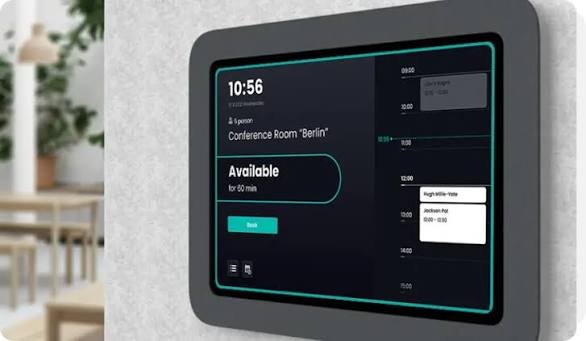
One of the most important factors determining whether a room booking system actually gets adopted successfully by employees involves how well it integrates with the calendar and communication tools your team already relies on daily.
Why Integration Matters More Than Standalone Features
A room booking system with impressive standalone features but poor integration with existing workplace tools often sees disappointing adoption, since employees generally resist adding yet another separate platform to check and manage alongside their already familiar calendar applications, making seamless room booking system integration a critical practical consideration.
Common Calendar Platforms Requiring Integration Support
Most organizations rely on established calendar platforms as the backbone of their scheduling activities, making it essential that any room booking system integrates smoothly with whatever specific calendar tool your organization has already standardized on, rather than requiring employees to manage bookings through an entirely separate interface.
Benefits of Seeing Room Availability Within Familiar Calendar Views
When room booking functionality integrates directly into the calendar interface employees already use to schedule meetings, the entire process becomes considerably more intuitive, allowing employees to see room availability and make reservations within the same natural workflow they’re already following to schedule the meeting itself.
Avoiding Double Entry and Synchronization Issues
Poor integration between booking systems and calendar tools can create frustrating double-entry requirements or synchronization delays, where changes made in one system don’t properly reflect in the other, creating exactly the kind of confusion and scheduling conflicts a booking system is meant to eliminate.
Supporting Mobile Access Through Integrated Platforms
Given how much scheduling activity happens through mobile devices today, ensuring your room booking integration extends properly to mobile calendar applications, not just desktop interfaces, supports the flexible, on-the-go booking behavior increasingly common in modern workplaces.
Considering Integration With Communication Platforms
Beyond calendar tools specifically, some organizations benefit from booking systems that also integrate with broader workplace communication platforms, supporting features like automated meeting room notifications or booking confirmations delivered through channels employees already actively monitor.
See also: How an SEO Agency Hong Kong Helps Businesses Compete in the Digital Marketplace
Evaluating Integration Capability During System Selection
When evaluating potential room booking systems, thoroughly testing and confirming genuine integration capability with your specific existing tools, rather than relying on general integration claims alone, helps avoid the disappointment of discovering compatibility limitations only after implementation.
Planning for Future Tool Changes
Since organizations sometimes change their primary calendar or communication platforms over time, considering a booking system’s track record of maintaining integration compatibility across various tools provides useful insight into how well it might adapt to your organization’s potential future technology changes.
Conclusion
Successful room booking system adoption depends heavily on genuine, seamless integration with the calendar and communication tools your team already relies on daily. Prioritizing this integration capability during system selection supports smoother implementation and considerably better long-term employee adoption.
FAQs
Q1: Why does calendar integration matter so much for booking system adoption? Employees generally resist adding separate platforms to manage alongside their already familiar calendar applications, making seamless integration critical for actual usage and adoption.
Q2: What problems can poor integration create between booking systems and calendars? Poor integration can create frustrating double-entry requirements or synchronization delays, where changes in one system don’t properly reflect in the other, causing confusion.
Q3: Should I test integration capability before finalizing a booking system choice? Yes, thoroughly testing genuine integration with your specific existing tools, rather than relying on general integration claims alone, helps avoid post-implementation compatibility disappointments.