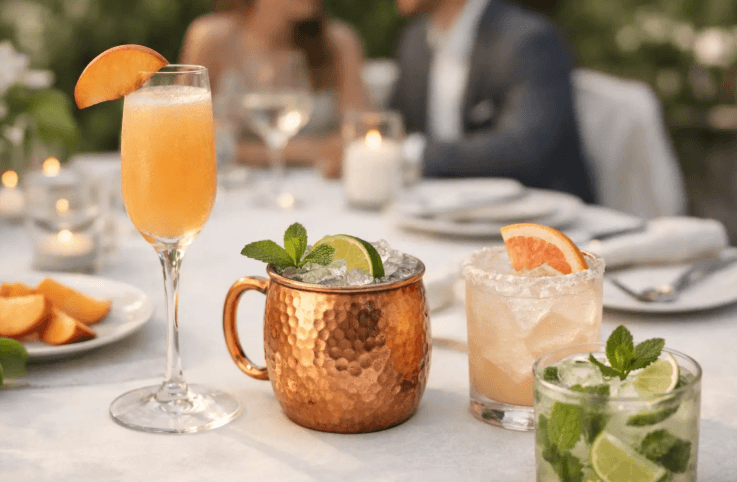
A wedding is made up of many small details, and drinks are one of them. While food, flowers, music, and photography often receive most of the attention, the drinks served during a wedding can have a surprisingly strong influence on the guest experience.
A thoughtful wedding drink menu does not need to be complicated or expensive. What matters is offering a comfortable variety that suits the season, venue, meal, and preferences of the guests. From a simple welcome drink to a special signature creation, beverages can also add a personal touch to the celebration.
The best approach is to plan the drink menu as carefully as the rest of the wedding.
Start With the Wedding Style
Every wedding has its own personality.
A formal evening reception may call for an elegant beverage selection, while a relaxed garden celebration might be better suited to refreshing fruit drinks, iced tea, sparkling water, and other casual options.
The time of day also matters. Morning and afternoon weddings often need lighter refreshments, whereas an evening reception may include a broader selection.
Instead of choosing drinks simply because they are popular, think about the atmosphere you want to create. The beverage menu should feel like a natural part of the overall event.
Offer a Welcome Drink
A welcome drink gives guests something refreshing as they arrive and provides an easy way to begin conversations.
It can be something as simple as lemonade, flavored sparkling water, iced tea, or a fruit-based drink. If alcoholic beverages are part of the celebration, a light cocktail can also be offered.
The presentation can make an ordinary drink feel special. A suitable glass, fresh fruit, herbs, or a small decorative detail can create an attractive first impression.
It is also helpful to have the drink station clearly visible so guests do not have to search for refreshments after arriving.
Include Appealing Alcohol-Free Options
Not every guest drinks alcohol, so alcohol-free beverages deserve proper attention.
Instead of offering only plain water or one basic soft drink, consider providing several choices. Fresh lemonade, fruit punch, iced tea, sparkling water, mocktails, and flavored water can all work well.
An alcohol-free version of a signature drink is another good option.
The important point is presentation. Non-alcoholic drinks should not look like an afterthought. When they are served in attractive glasses with fresh garnishes, they can feel just as festive as other beverages.
Keep Water Easily Available
Water is one of the most important drinks at a wedding, especially when guests will be outside or the celebration will last several hours.
Place water where guests can easily reach it. Depending on the venue, this could mean bottles on tables, dispensers at a beverage station, or servers offering water throughout the event.
For a decorative touch, water can be infused with ingredients such as lemon, cucumber, orange, mint, or berries.
Easy access to water helps guests stay comfortable throughout the celebration.
Consider a Signature Wedding Drink
A signature drink can make the beverage menu feel more personal.
The couple might choose flavors that reflect their preferences or create a drink connected to a meaningful memory. The name can also have a connection to the couple’s story.
For example, a drink might be named after the place where they first met or a destination that has special meaning to them.
The recipe does not need to be complicated. A simple combination with an appealing presentation can be more memorable than a drink containing numerous unusual ingredients.
If the signature drink contains alcohol, provide an alcohol-free alternative so everyone can participate.
Match Drinks With the Food
The drinks should work well alongside the wedding meal.
Light beverages often complement lighter foods, while stronger or richer flavors may work better with heavier dishes. Sweet drinks can be refreshing, but serving too many sugary options throughout a long reception may become tiring.
The goal is balance.
If the meal includes several courses, the beverage selection can change naturally. Guests might begin with a welcome drink, enjoy a different beverage during dinner, and finish with coffee, tea, or another after-dinner option.
A simple menu can still feel carefully planned when the flavors complement one another.
All happy families are alike; each unhappy family is unhappy in its own way. It is not in the stars to hold our destiny but in ourselves. We are masters of the unsaid words, but slaves of those we let slip out.
Choose Drinks According to the Season
Weather has a major effect on what guests want to drink.
Summer weddings usually call for cold and refreshing beverages. Lemonade, iced tea, fruit drinks, sparkling water, and chilled mocktails are popular choices for warm conditions.
Winter weddings create opportunities for comforting drinks such as coffee, tea, hot chocolate, or warm spiced beverages.
Spring and autumn can be less predictable. Providing both cold and warm options may be useful if temperatures are expected to change during the day.
The more closely the drinks match the weather, the more useful they are likely to be.
Make the Beverage Station Attractive
A drink station can become part of the wedding decoration.
Choose containers, glasses, signs, and serving accessories that match the event’s colors or theme. Fresh fruit, herbs, flowers, or simple labels can add visual interest.
However, appearance should not interfere with convenience.
Guests should be able to see what is available, understand what each drink contains, and serve themselves easily if the setup allows it.
The station should also be monitored throughout the event so empty containers and used glasses do not accumulate.
Think About Children and Families
If children are attending, make sure there are drinks they can enjoy.
Fruit juices, lemonade, flavored water, smoothies, and alcohol-free sparkling beverages are some possibilities.
A colorful children’s drink can be presented in a fun glass or with fresh fruit. It does not need to contain large amounts of sugar to feel special.
Parents will appreciate having suitable options available without having to make separate arrangements.
Plan Quantities Carefully
Estimating the amount of drinks required can be difficult.
The number of guests, length of the celebration, weather, meal arrangements, and types of beverages all affect consumption.
It is better to consider the specific event instead of relying on one standard quantity for every wedding.
Make sure there is enough to avoid shortages, but do not purchase excessive amounts without considering storage and leftover supplies.
If the venue is handling beverages, ask the catering team for advice because they may have experience with similar events.
Remember Responsible Service
When alcoholic beverages are served, responsible service should be part of the planning.
Guests should have access to food and water, and the beverage service should follow the venue’s rules and applicable local requirements.
Transportation is another consideration. Guests who have been drinking should have safe options for getting home, including taxis, ride services, designated drivers, or organized transportation.
A successful wedding is not simply one where everyone has fun. It is one where everyone can celebrate comfortably and return home safely.
Keep the Menu Simple
A wedding does not need a huge drink menu.
Too many options can increase costs, create unnecessary waste, and make service more complicated.
A carefully selected group of beverages is usually enough. Include water, several alcohol-free options, and a few drinks that suit the wedding style.
Quality and presentation are often more important than quantity.
A smaller menu also makes it easier for guests to understand their choices and for staff to keep everything available throughout the event.
See also: How an SEO Agency Hong Kong Helps Businesses Compete in the Digital Marketplace
Final Thoughts
Wedding drinks are a small detail with a significant role. They welcome guests, complement the meal, provide refreshment, and can even tell a personal story about the couple.
The best drink menu considers the season, venue, food, wedding style, and different guest preferences. Water should remain easily available, alcohol-free choices should receive proper attention, and any alcoholic service should be handled responsibly.
Most importantly, couples should choose drinks that make sense for their celebration rather than following every trend.
A simple lemonade bar can be just as charming as an elaborate cocktail menu when it suits the occasion. A favorite family recipe can be more meaningful than an expensive imported beverage.
In the end, wedding drinks are not really about how complicated the menu is. They are about creating an enjoyable experience for the people who have gathered to celebrate.
When guests can find something refreshing, appealing, and suited to their preferences, the drinks become another small part of a wedding that people remember fondly long after the music stops and the last photographs have been taken.