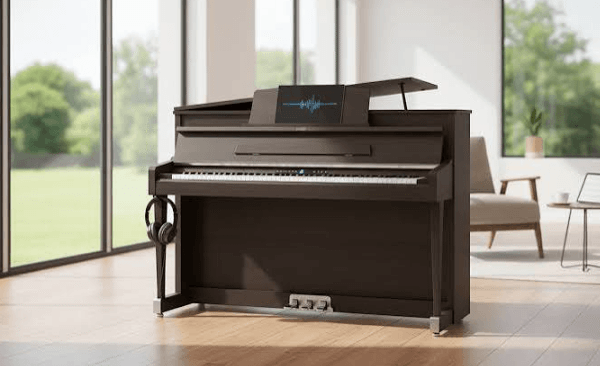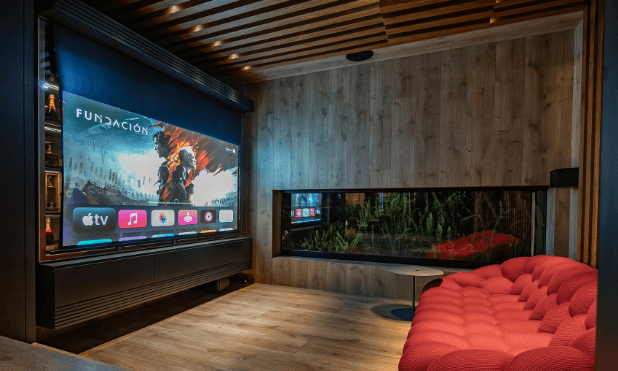
The future of home entertainment tech envisions a cohesive, AI-assisted ecosystem spanning devices, screens, and wearables. Sensing and local processing tailor lighting, acoustics, and content cues while preserving privacy. Interoperability reduces vendor lock-in, enabling smoother setup and consistent performance. The focus shifts to cinema-quality playback and fluid content flows, with multisensory interfaces that respect user choice. Yet decisions about standards, data use, and control remain pivotal as households prepare to adopt these changes.
What the Next-Gen Home Entertainment Ecosystem Looks Like
The next-gen home entertainment ecosystem blends seamless device interoperability with personalized, ambient performance, enabling content to flow across screens, speakers, and wearables without friction.
It emphasizes adaptive ecosystems that adjust context and preferences, delivering cohesive experiences.
Multisensory interfaces translate visuals, sound, and touch into intuitive control, fostering freedom while maintaining consistency across platforms, apps, and services.
How AI and Sensing Personalization Reshapes Your Living Room
AI-driven sensing and personalization are reshaping the living room by turning ambient data—lighting, acoustics, occupancy, and user habits—into tailored, anticipatory experiences.
The shift emphasizes AI personalization that foresees needs without intrusion, enabling seamless entertainment flows.
Yet Sensing privacy remains pivotal: transparent data use, local processing, and user control preserve freedom while unlocking proactive, context-aware comfort for diverse households.
Evaluating Platforms, Devices, and Content: A Practical Guide
As households sort through increasingly capable platforms, devices, and content options, a practical approach grounds decision-making in real-world uses, interoperability, and value.
The guide emphasizes streaming interoperability and thoughtful content curation to maximize flexibility, minimize vendor lock-in, and sustain long-term satisfaction.
Audiences gain clarity on where to invest, how to compare ecosystems, and how to align tech with personal, freedom-oriented viewing goals.
Designing for Seamless Setup and Cinema-Quality Experiences at Home
The approach emphasizes streamlined wiring and calibrated ambient acoustics, enabling effortless integration, consistent performance, and immersive playback, while empowering users to curate spaces that reflect personal freedom and evolving entertainment needs.
See also: The Future of Home Automation
Frequently Asked Questions
How Will Privacy Be Protected With Pervasive Home Sensors?
Privacy will rely on robust data minimization and user consent, while algorithm transparency clarifies how sensors operate; the privacy paradox is confronted by designing systems that default to privacy, empowering users and ensuring meaningful choices without sacrificing freedom.
What’s the Cost of a Complete Future-Ready Setup?
The cost of a complete future-ready setup varies, but cost estimates range widely; setup budgeting should consider privacy safeguards and sensor privacy, with compatibility layers and legacy integration. Audio immersion, room treatment, update reliability, codec stability, and overall privacy safeguards.
Can Legacy Devices Integrate With New AI Features?
Smart TVs like a 2018 model can patch into modern AI features via bridge firmware. Legacy Integration and AI Adoption grow through adapters, cloud bridges, and vendor updates, enabling seamless, user-empowered experiences without abandoning old devices.
Will Immersive Audio Work Without Dedicated Room Treatment?
Immersive audio can function without dedicated room treatment, though room acoustics significantly shape performance. Modern systems leverage psychoacoustics and spatial processing, delivering compelling effects even in untreated spaces while acknowledging that optimized acoustics enhance clarity, balance, and perceived realism for freedom-seeking listeners.
How Reliable Are Remote Updates for Critical Codecs?
Remote updates for critical codecs offer moderate reliability but depend on robust security and rollback options; privacy protection and pervasive sensors must be balanced with user freedom, ensuring transparent controls, auditable firmware, and agile, verifiable update mechanisms.
Conclusion
In a landscape of converging devices, interoperability rises, personalization deepens, and privacy remains paramount. In a landscape of ambient intelligence, sensing sharpens, content flows simplify, and setup becomes almost invisible. In a landscape of cinema-quality home theaters, acoustics calibrate, displays synchronize, and experiences align. In a landscape of user empowerment, controls stay clear, expectations stay high, and investment decisions stay informed. In a landscape of future-ready homes, satisfaction converges with freedom, and innovation sustains momentum.