When we make a conscious decision to improve our health, most of us naturally fall back on the usual habit changes. We start buying organic groceries, sign up for a local gym membership, drink two liters of water daily, and make a serious effort to get eight hours of restful sleep every night. While these lifestyle choices form the bedrock of personal wellness, there is a major, often overlooked factor quietly influencing how we feel every single day—the actual air moving through our living rooms and bedrooms.
Most people spend upwards of 80% to 90% of their day inside closed doors, whether working remotely from a home desk, relaxing with family, or sleeping through the night. Because of this massive daily exposure, establishing and maintaining a healthy indoor living environment plays a pivotal role in shielding our bodies from chronic respiratory strain, fatigue, and long-term vitality loss.
Why Modern Homes Trap Harmful Contaminants
It might sound surprising, but indoor air quality can actually be significantly more polluted than outdoor air. Over the past few decades, modern architectural design has focused heavily on energy efficiency. Houses are now constructed with thick insulation, sealed double-pane windows, and airtight door seals designed to keep expensive heating or air conditioning from escaping.
While this modern sealing is fantastic for lowering monthly energy utility bills, it creates an unintentional side effect: stale air gets trapped, recalculated, and concentrated inside living spaces. Without a constant exchange of fresh outdoor air, routine household pollutants begin building up over time:
- Volatile Organic Compounds (VOCs): Invisible vapors emitted by common off-the-shelf cleaning sprays, aerosol air fresheners, wall paints, synthetic carpets, and newly unpacked presswood furniture.
- Biological Allergens: Microscopic dust mites, pet dander, and mold spores that thrive in hidden humid zones like damp basements, bathroom tiles, and under-sink plumbing setups.
- Soil-Derived Natural Gases: Odorless, invisible natural radioactive gases like radon, which seep out of natural underground rocks and enter through tiny foundation cracks or basement floors without giving off any smell or warning sign.
The Cumulative Impact of Poor Indoor Air Quality
Breathing contaminated air isn’t something that immediately makes you feel sick overnight, which is precisely why it gets ignored for so long. The health impact is cumulative.
Exposure over several months or years often manifests as subtle everyday symptoms that people rarely attribute to their house—such as persistent morning headaches, unexplained dry eyes, frequent sinus congestion, or feeling tired even after a full night’s rest. For young children, elderly family members, or individuals living with pre-existing conditions like asthma, poor indoor quality can turn minor seasonal allergies into severe, ongoing medical discomfort.
Furthermore, ignoring odorless threats such as indoor radon gas risks can lead to severe long-term complications. Public health authorities consistently rank indoor radon as a major leading cause of lung issues among non-smokers. Taking proactive awareness of what is floating in your home atmosphere is simply smart preventive healthcare.
See Also: How to Develop Professional Habits Early in Your Career
4 Actionable Steps to Reset Your Home’s Air Quality
The good news is that restoring clean, crisp air throughout your living space doesn’t require thousands of dollars in structural renovations. Making a few intentional shifts in your daily routine can dramatically cut down on harmful airborne particles:
1. Master the Art of Natural Ventilation
Get into the habit of opening opposite windows for just 15 to 20 minutes every morning. Creating a brief cross-breeze flushes out overnight moisture buildup, stagnant carbon dioxide, and trapped chemical odors, replacing them instantly with fresh outdoor oxygen.
2. Strategically Position HEPA Filtration
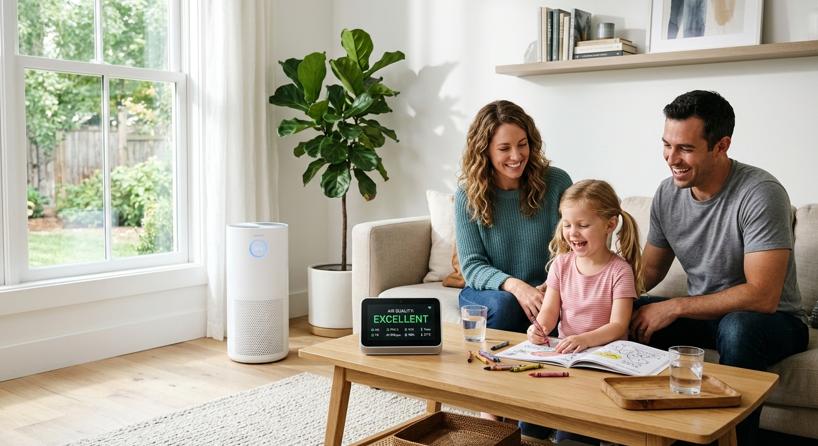
Place high-efficiency particulate air (HEPA) purifiers in rooms where your family spends the most continuous time—specifically bedrooms and the main living room. True HEPA filters capture up to 99.97% of airborne particles as small as 0.3 microns, pulling dust, dander, and pollen out of circulation before you breathe them in.
3. Keep Indoor Moisture Levels Balanced
High indoor humidity is the primary driver of mold and dust mite growth. Try to keep your home’s relative humidity level between 30% and 50%. Use exhaust fans every time you cook or shower, and consider running a small dehumidifier in naturally damp areas like basements.
4. Conduct Simple Routine Home Checks
Don’t guess what is in your air when you can easily verify it. Utilizing basic DIY home testing kits or small electronic monitors lets you track humidity spikes, particulate counts, and radon gas safety levels. Knowing your baseline numbers gives you total control over your home’s environmental safety.
Taking a proactive weekend audit of your living environment is one of the easiest, most rewarding investments you can make for your family’s daily vitality and peace of mind.