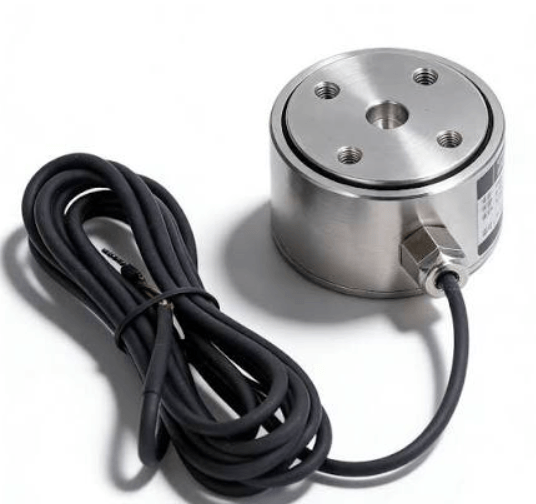
Selecting an appropriate weight measurement sensor requires balancing accuracy requirements, environmental conditions, and integration complexity. For engineers designing new equipment or upgrading existing systems, understanding the key selection criteria helps avoid costly mismatches between sensor capability and application demands.
Defining Accuracy Requirements Upfront
Before comparing specific sensor models, it’s worth clearly defining how precise the weight measurement actually needs to be for the application at hand. Overspecifying accuracy requirements can add unnecessary cost, while underspecifying can compromise process quality or safety, making this an important first step in the selection process.
Capacity Range and Overload Protection
Selecting a sensor with an appropriate capacity range, including a reasonable safety margin above expected maximum loads, helps protect against damage from unexpected overload events. Many sensors also include built-in overload protection features that engineers should factor into their selection criteria.
Environmental Sealing and Durability
Applications involving exposure to moisture, dust, or extreme temperatures require sensors with appropriate ingress protection ratings and material construction. Selecting a sensor rated for conditions milder than the actual operating environment is a common and costly mistake in equipment design.
Output Signal Type and System Compatibility
Weight measurement sensors output data in various formats, including analog voltage, current loop, or digital communication protocols. Confirming compatibility between the sensor’s output format and the existing control or monitoring system prevents integration headaches later in a project.
Response Time and Dynamic Measurement Needs
For applications involving rapidly changing loads, such as dynamic weighing on a moving conveyor, sensor response time becomes a critical specification that static weighing applications may not need to prioritize as heavily. Engineers should match sensor response characteristics to the actual dynamics of their application.
Comparing Sensor Options for Your Project
Engineers evaluating options for a new project can review the specifications offered through a weight measurement sensor supplier to compare capacity ranges, environmental ratings, and output formats across different models.
Planning for Long-Term Maintenance
Beyond initial selection, planning for ongoing calibration, potential recalibration after environmental exposure, and eventual sensor replacement helps ensure consistent measurement accuracy throughout the equipment’s operational lifespan.
Frequently Asked Questions
How do I know what accuracy level my application actually needs? This depends on the specific process requirements, but a good starting point is identifying the smallest weight variation that would meaningfully affect your process outcome or product quality.
What happens if a sensor is used outside its rated environmental conditions? Operating outside rated conditions can lead to inaccurate readings, accelerated component degradation, or outright sensor failure, so matching environmental ratings to actual operating conditions is important.
See also: The Future of Home Entertainment Tech
Does a faster response time always mean a better sensor? Not for every application. Static weighing applications generally don’t benefit from the fastest available response times, while dynamic weighing applications specifically require it, so matching response time to actual use case matters more than simply choosing the fastest option available.
Final Thoughts
Choosing the right weight measurement sensor involves carefully matching accuracy, capacity, environmental durability, and system compatibility to the specific demands of an application. A thoughtful selection process upfront helps avoid costly performance issues after equipment has already been deployed.