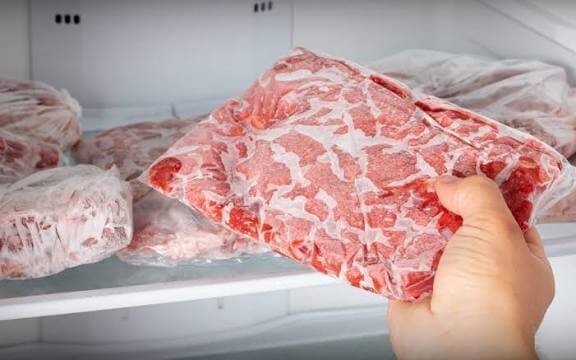
With so many frozen beef options available to Hong Kong shoppers, developing the ability to judge genuine quality, rather than relying purely on price or packaging appearance, helps ensure your purchases consistently deliver satisfying cooking results.
Looking Beyond Packaging Claims
Marketing language on frozen beef packaging can sometimes overstate quality without providing genuinely verifiable information, making it worthwhile for shoppers to look for specific, concrete details, including clear sourcing origin, grading information where applicable, and transparent freezing method descriptions, rather than relying on vague quality claims alone.
Understanding Sourcing and Origin Information
Knowing where your frozen beef hong kongpurchases originate provides meaningful insight into likely quality and farming or production standards, since different sourcing regions often maintain distinct quality and regulatory standards that can affect the final product’s characteristics, making origin transparency a valuable quality indicator worth checking before purchase.
Evaluating Marbling and Fat Distribution
For cuts where marbling matters, visible fat distribution throughout the meat, rather than concentrated only around the edges, generally indicates better flavor and tenderness potential, since this intramuscular fat melts during cooking to baste the meat from within, contributing to richer flavor and more tender texture in the finished dish.
Assessing Color as a Quality Indicator
While frozen beef’s color can appear somewhat different from fresh meat due to the freezing process itself, generally consistent coloring without unusual gray or brown patches provides a reasonable quality indicator, though shoppers should understand that some color variation is normal and doesn’t necessarily indicate quality problems.
Checking for Proper Packaging and Freezer Burn Prevention
Quality frozen beef should arrive in packaging that effectively prevents air exposure, since inadequate packaging allows freezer burn to develop, creating dry, discolored patches that affect both texture and flavor, making proper vacuum sealing or similarly protective packaging an important quality indicator worth evaluating.
Reading Customer Reviews and Reputation Signals
When purchasing from online platforms, customer reviews and overall supplier reputation provide valuable additional quality insight beyond what product descriptions alone can convey, particularly useful for identifying consistent quality patterns across multiple customers’ actual experiences rather than relying solely on a single product listing’s claims.
See also: How an SEO Agency Hong Kong Helps Businesses Compete in the Digital Marketplace
Trusting Your Own Cooking Results
Ultimately, the most reliable quality assessment comes from your own direct cooking experience, making it worthwhile to pay attention to how specific suppliers’ products actually perform in your kitchen over multiple purchases, building practical knowledge about which sources consistently deliver satisfying results for your household’s specific needs and preferences.
Building a Relationship With Trusted Suppliers
Once you’ve identified frozen beef suppliers that consistently meet your quality expectations, maintaining that relationship through repeat purchasing often proves more reliable than constantly switching suppliers based on marginal price differences, since consistent quality experience builds genuine confidence that price comparison alone cannot provide.
Conclusion
Developing the ability to judge frozen beef quality through concrete indicators like sourcing transparency, marbling, packaging integrity, and reputation signals helps Hong Kong shoppers make more confident, satisfying purchasing decisions. Combining these evaluation skills with direct cooking experience builds lasting confidence in your frozen beef sourcing choices.
FAQs
Q1: Why does sourcing and origin information matter for frozen beef quality? Different sourcing regions often maintain distinct farming and regulatory standards that can affect the final product’s characteristics, making origin transparency a valuable quality indicator.
Q2: What does marbling indicate about beef quality? Visible fat distribution throughout the meat, rather than concentrated only at the edges, generally indicates better flavor and tenderness potential since this fat melts during cooking to enrich the dish.
Q3: How can I tell if frozen beef packaging adequately prevents freezer burn? Look for effective vacuum sealing or similarly protective packaging that minimizes air exposure, since inadequate packaging allows dry, discolored patches to develop over storage time.