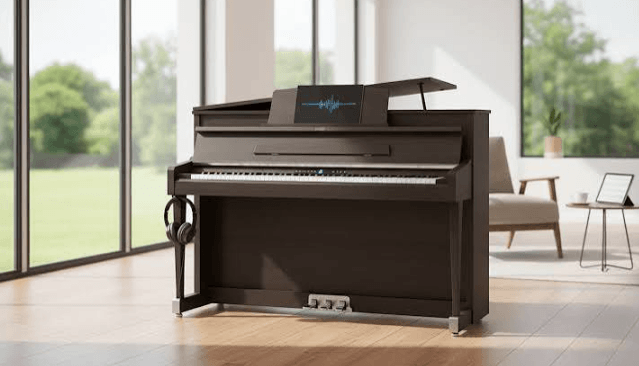
Shopping for a digital piano has become considerably more convenient in recent years, with many buyers now comfortable making this kind of purchase entirely online rather than visiting a physical showroom. Still, a digital piano is a more involved purchase than most electronics, and knowing what to evaluate before clicking buy can make a meaningful difference to long-term satisfaction. This article walks through the key considerations for buying digital pianos online.
Why Digital Pianos Have Become a Popular Choice
Digital pianos offer several practical advantages over traditional acoustic instruments, including more consistent tuning, headphone compatibility for quiet practice, and generally lower maintenance requirements, making them an increasingly popular choice for beginners and experienced players alike who want a reliable instrument without the upkeep an acoustic piano requires.
Weighted Keys and Touch Sensitivity
One of the most important technical considerations when evaluating a digital piano is the quality of its keyboard action, specifically whether it uses weighted, hammer-action keys designed to replicate the feel of an acoustic piano. This detail matters considerably for players developing proper technique, as a keyboard lacking this weighted response can make the transition to or from acoustic instruments considerably more difficult.
Sound Quality and Speaker Considerations
The onboard speaker system and sound sampling quality significantly affect how a digital piano actually sounds during practice and performance. Higher-end models typically use more sophisticated sound sampling technology and better-quality built-in speakers, though even excellent internal sound can be enhanced further through external speakers or quality headphones for more critical listening.
Evaluating Specifications When Buying Sight Unseen
Since buying online means you cannot physically test an instrument before purchase, paying close attention to detailed specifications, including key count, touch sensitivity levels, and included features like metronomes or recording functions, becomes especially important for making an informed decision without an in-person trial. Those exploring their options can browse a selection to buy digital pianos online with detailed specifications to help guide this kind of remote purchasing decision.
Considering Delivery and Setup Logistics
Digital pianos, while generally more compact and lighter than acoustic instruments, still require careful consideration of delivery logistics, including whether a retailer offers assembly or setup assistance, and how the instrument will be positioned within your available space once it arrives.
Warranty and After-Sales Support
Given that a digital piano represents a meaningful investment, understanding the warranty terms and availability of after-sales support, including access to servicing or troubleshooting assistance, is worth confirming before finalizing an online purchase, particularly for buyers less familiar with troubleshooting electronic instruments independently.
Frequently Asked Questions
Can beginners learn effectively on a digital piano rather than an acoustic one? Yes, a quality digital piano with weighted, touch-sensitive keys provides a very suitable learning experience for beginners, while also offering practical advantages like headphone practice and lower maintenance requirements.
See also:The Future of Home Entertainment Tech
What should I check before buying a digital piano without testing it in person? Pay close attention to key action specifications, sound sampling quality, included features, and available warranty or support terms to make a well-informed decision without a physical trial.
Do digital pianos require any special maintenance? Digital pianos generally require considerably less maintenance than acoustic instruments, though basic care such as keeping the instrument clean and protected from humidity extremes is still advisable.
Conclusion
Buying a digital piano online can be a genuinely convenient and satisfying experience when approached with attention to key technical specifications, sound quality, and practical delivery considerations. Taking the time to research these factors carefully helps ensure the instrument you choose supports your musical goals for years to come.